Bitcoin Strategic Reserve Still Empty Because the US Is Playing a Waiting Game It Cannot Win
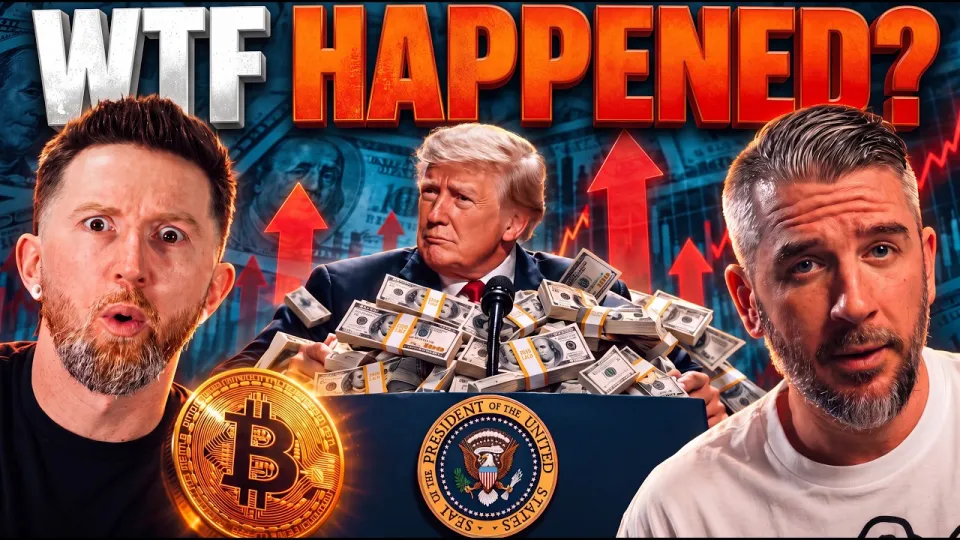
Video: LEAKED: Here's The REAL Reason America Hasn't Bought Bitcoin For its Strategic Reserve...
You can order the same kind of articles for your own video to boost it on YouTube and Google. Just message the Telegram bot @sat_sit_bot. Articles with your video embedded are written and posted by the bot itself — on popular topical sites (no ads). Free trial — 50 articles.
· based on the channel Simply Bitcoin
The United States has not bought bitcoin for its strategic reserve because the reserve was built as a stockpile of coins seized by law enforcement, not as a purchase program, and any open-market buying requires a congressional appropriation that has to be scored against the federal budget. Until that money is authorized and custody rules are settled, the reserve stays a holding of forfeited assets rather than an active buyer.
What the US bitcoin strategic reserve actually is
The reserve is a government stockpile of bitcoin already in federal hands, mostly from criminal forfeitures, and it was never designed as a standing bid in the market. That distinction matters more than any headline about a "bitcoin reserve": a stockpile can be created by executive order because it involves assets the government already owns, while a purchase program needs money that only Congress can appropriate. The policy debate inside Washington is therefore not about whether bitcoin is a legitimate asset — the seizure stockpile already answers that — but about whether the Treasury should convert dollars into BTC on purpose.
Why the Treasury has not placed a bitcoin buy order
The blocker is procedural, not ideological: a purchase needs an appropriation, and an appropriation needs a budget score. In US budget practice, any new spending must be measured against the deficit, so a line item for bitcoin buying competes directly with every other federal priority. Officials also face three practical questions with no settled answer:
- Custody. Who holds the private keys — the Treasury, the Marshals Service, or a qualified custodian — and what happens if they are lost or compromised.
- Audit. How the government proves reserves exist without exposing operational security, and how the GAO treats a volatile asset on the balance sheet.
- Market impact. A public buy announcement front-runs the Treasury's own order, pushing the price up before a single coin is acquired.
The third point is the quiet killer. A sovereign buyer of size cannot announce first and buy later without paying a premium to everyone who reads the news before the fill.
The budget-neutral framing and what it hides
Calling the reserve budget-neutral was a political necessity, and it also set the ceiling on what the program can do. Budget-neutral means no new dollars are spent, so the reserve can only grow through forfeitures, transfers between agencies, or asset sales that are recycled into bitcoin rather than through fresh purchases. That framing let the policy survive without a congressional vote, but it also means the reserve cannot become a real accumulator of BTC unless the rules change. The gap between "we have a bitcoin reserve" and "we are buying bitcoin" is exactly the gap between an executive order and an appropriation.
What would actually trigger a US bitcoin purchase
A purchase becomes possible when three conditions line up, and each one is a separate political fight. First, Congress has to pass an appropriation or authorize a budget-neutral mechanism such as revaluing gold certificates or recycling seized-asset proceeds. Second, the Treasury has to publish custody and audit standards that satisfy the GAO and the intelligence community. Third, the execution has to be structured so the government buys without broadcasting its hand — over-the-counter desks, staged tranches, or a mandated acquisition schedule that the market already knows about.
Any one of those can stall for a year. All three moving at once is what a real buying program looks like, and nothing in the current setup suggests that alignment exists yet.
How the market should read an empty reserve
An empty purchase ledger is not a bearish signal about bitcoin; it is a signal about how slowly sovereign balance sheets move. The reserve itself is a legitimacy marker — the US has formally recognized bitcoin as a strategic asset worth holding rather than auctioning off — and legitimacy tends to arrive before accumulation. Traders who price in an imminent US bid are pricing in a legislative event, not a policy mood, and legislative events have calendars.
The more useful read is what the reserve does to the downside: coins that sit in government custody are not being sold into the market, and any future sale would be a public, telegraphed event rather than a quiet dump.
Common questions from the trading community
Skeptics and supporters keep circling the same doubts, and they are worth answering directly. The most frequent: is the reserve real if no coins were bought? Yes — the holdings are real bitcoin, verifiable on-chain, just acquired through forfeiture instead of purchase. Second: could the Treasury buy quietly without Congress? Not at scale, because the money has to come from an appropriated account. Third: does an empty reserve mean the policy failed? No — it means the policy was written to avoid a vote, which caps what it can do until a vote happens.
The debate also carries a tone question. Much of the audience for this story wants the aggressive version — a Treasury that buys and never looks back — while the officials involved are wired for caution, audits and legal cover. That mismatch between audience appetite and institutional temperament explains most of the frustration around the topic.
Conclusion
The US bitcoin strategic reserve holds seized coins, not purchased ones, and the missing buy order traces back to appropriations, budget scoring, custody and market-impact rules rather than to any doubt about bitcoin itself. A purchase needs Congress to fund it, the Treasury to secure it, and an execution plan that does not front-run itself. Until those three line up, expect forfeitures and transfers to be the only source of new reserve coins. This breakdown draws on the discussion published by Simply Bitcoin, whose After Hours format with Rustin, Hurley and Opti covers exactly these policy mechanics.
FAQ
Is the US strategic bitcoin reserve actually holding bitcoin?
Yes. The reserve consists of bitcoin already seized by federal law enforcement, held in government custody rather than sold at auction. Those coins are real and traceable on-chain; what is missing is any purchase of new bitcoin with taxpayer dollars.
Why can't the Treasury just buy bitcoin without Congress?
Because buying requires spending, and spending requires an appropriation that is scored against the federal budget deficit. An executive order can organize assets the government already owns, but it cannot create new money for purchases, which is why the reserve was framed as budget-neutral.
Would a US bitcoin purchase crash or pump the price?
A purchase would be bullish in direction but complicated in execution: a public announcement lets the market bid up before the Treasury fills its order, so any serious program would need staged or over-the-counter buying. The bigger long-term effect is that coins moved into sovereign custody leave the tradable supply.
Does an empty reserve mean the policy has failed?
No. It means the policy was designed to avoid a congressional vote, which limits it to forfeited assets for now. The reserve still signals official recognition of bitcoin as a strategic holding, and the framework exists for purchases if funding is ever authorized.
Key takeaways
- The US strategic bitcoin reserve currently holds only forfeited coins from law enforcement seizures, not open-market purchases.
- Buying bitcoin directly requires an appropriation from Congress, which means a budget score against the federal deficit.
- Custody, audit and security questions for a sovereign bitcoin position remain unresolved inside the government.
- A public announcement of a large purchase would move the market before the Treasury could fill the order.
- The reserve was framed as a budget-neutral stockpile of seized assets, so no new spending was authorized.
Source: LEAKED: Here's The REAL Reason America Hasn't Bought Bitcoin For its Strategic Reserve... · Markdown version