Meme coin, how the narrative-driven crypto sector works and where traders lose money
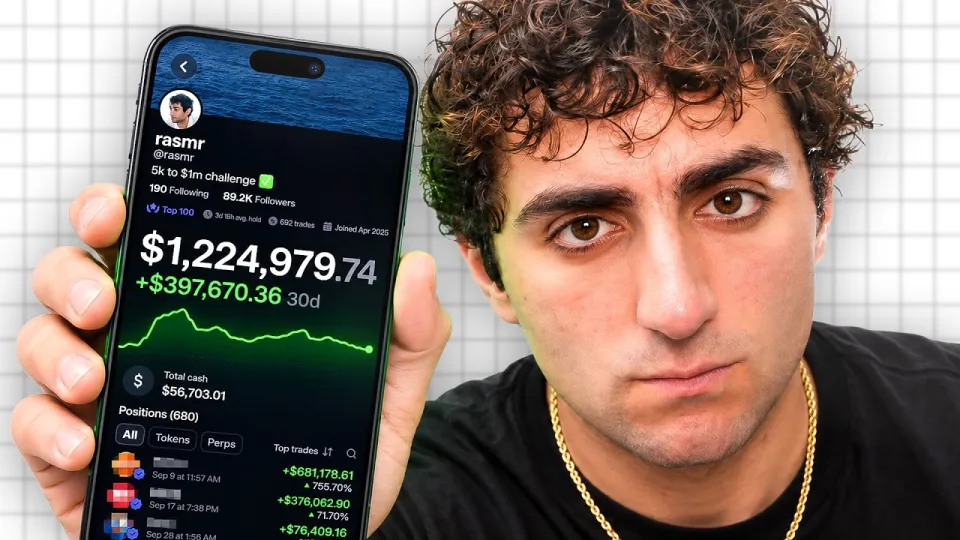
Video: 5 Years of Memecoin Knowledge in 12 Minutes
You can order the same kind of articles for your own video to boost it on YouTube and Google. Just message the Telegram bot @sat_sit_bot. Articles with your video embedded are written and posted by the bot itself — on popular topical sites (no ads). Free trial — 50 articles.
· based on the channel rasmr
A meme coin is a cryptocurrency whose value rests on narrative, community attention and speculation rather than on revenue, cash flow or a working product. Traders buy them because attention moves faster than fundamentals, and the entire edge in this sector comes from understanding who is early, who is late and where the exit liquidity sits. The mechanics below follow the framework laid out in rasmr's 12-minute breakdown of five years of memecoin experience, and you can open an account through the fomo.family registration link used by the channel.
What actually drives a meme coin price
A meme coin has no earnings, so price is set purely by the balance of new buyers against sellers, and that balance is managed through narrative. The story can be a mascot, a political moment, an in-joke, a celebrity reference or a fresh meta that the timeline has not seen for a few weeks — what matters is that it is legible in one image and shareable in one post. When a narrative is fresh, the cost of convincing the next buyer is low; when it is recycled, the same chart needs far more capital to move.
Three inputs decide whether a launch gets traction:
- Narrative freshness — a meta that has not been farmed to death yet.
- Distribution — who is posting about it and how fast the message reaches retail feeds.
- Float control — how much of the supply sits with the deployer and the first wallets.
A token can have a funny name and still fail because the float is concentrated and the narrative is stale. The reverse is also true: a mediocre meme with tight early distribution and a loud timeline can run for days.
Who is early, and why the inner circle matters
In memecoin markets, the people who make the money are almost always in the room before the token exists publicly. Launch groups and tightly connected trader circles — often described in the community as a cabal — see a ticker announced in a private chat before the contract is deployed, which is precisely why their entries look impossible in hindsight. This is not a conspiracy theory so much as a structural fact of how permissionless launches work: the deployer needs buyers, and the cheapest buyers are friends.
For anyone outside that circle, the practical conclusion is not to chase the same entries but to accept a different game. You are trading the second, third and fourth wave of attention, which means your edge is speed of recognition and discipline on exits, not access. Assuming you are the exit liquidity on every trade you take is a useful default posture — it forces you to define, before buying, who will pay you more and why.
How to research a token before you buy
Research on a memecoin is mostly about disqualifying it quickly rather than falling in love with the story. Work through the same checklist every time so that decisions are comparable:
- Contract and supply — check mint authority, freeze authority, tax functions and whether the deployer holds a large share of the float.
- Holder distribution — a top-10 concentration above roughly a third of supply is a red flag for a token that is supposed to be widely held.
- Liquidity depth — compare pool liquidity to market cap; thin liquidity means your sell order moves the price against you.
- Launch history of the deployer wallet — serial launchers who abandoned previous tokens tell you what to expect.
- Narrative timing — is the meta hours old or three weeks old? The first movers on a meta take the bulk of the move.
None of these checks guarantees a winner, but together they filter out the majority of tokens that cannot survive their first wave of profit-taking.
Position sizing and exit rules that survive volatility
Memecoin volatility is measured in minutes, so the trade has to be planned before the entry, not during the candle. The most common failure pattern is a trader who is up 50–100% on paper, gets greedy, holds for more, and round-trips the entire gain back to the entry price. The opposite failure is refusing to accept a loss and hoping the chart recovers.
A workable structure looks like this:
- Size so that a total loss is survivable. Treat every memecoin position as capital you can write off without changing your life.
- Set market-cap-based exit levels in advance. Decide at which valuation you sell a third, a half, the rest — and note that most retail selling tends to cluster at familiar round market caps.
- Take partials on the way up. Realised profit is the only profit that exists.
- Never average down into a broken narrative. Adding to a loser only works when the thesis is intact and liquidity is real.
- Exit into strength, not into panic. Selling into a green candle with volume is easier than selling into a cascade.
Emotion is the actual opponent here. Buying a vertical green candle because it looks like it will continue, or holding a loser because selling would make the loss real, are the two behaviours that drain accounts fastest — especially in a trader's first month.
Common questions and doubts from newer traders
Newer traders tend to ask the same handful of questions, and the answers are less exciting than the timeline suggests. On how to spot a rug, the signals are structural rather than cosmetic: concentrated holder lists, unlocked mint authority, liquidity that can be pulled by a single wallet, and a deployer with a trail of dead tokens. On whether to start small, the answer is yes — a small account that survives long enough to learn the rhythm of a launch is worth more than a large account that gets liquidated in week one.
Another recurring theme is the temptation to treat a memecoin as a long-term investment, for example a token tied to a future game release or a cultural event. The honest framing is that these are attention trades with a shelf life; the narrative can carry a token for weeks, but nothing in the structure obliges anyone to keep buying. And on the question of whether insiders have an unfair advantage, they do — which is exactly why the retail plan should be built around exits rather than entries.
Useful links
Bottom line
The meme coin sector rewards preparation far more than conviction: narrative timing, float control and liquidity decide which tokens can move, while position sizing and pre-committed exits decide whether the trader keeps any of that move. Five years of experience in this market compress into a simple rule — assume you are exit liquidity, plan the sell before the buy, and never let a green candle or a red one make the decision for you. The 12-minute breakdown on the rasmr channel is a compact reference for that framework, and the fomo.family link is where the channel's trading setup begins.
Key takeaways
- A meme coin is a token whose price is driven by narrative and community attention, not by cash flow or product revenue.
- Most of the upside in a memecoin trade is captured by insiders and early wallets before the token trends publicly.
- Position sizing and pre-set exit levels at specific market caps matter more than picking the 'right' coin.
- Emotional decisions — averaging into a loser, round-tripping a 2x, buying a green candle — are the most common way traders lose capital.
- Liquidity and holder concentration, not the logo or the meme, determine whether you can actually exit.
Questions & answers
What is a meme coin in simple terms?
A meme coin is a token whose price depends on attention and narrative rather than on revenue or product usage. Buyers speculate that the story will attract more buyers after them. That makes it a trade on timing and liquidity, not a long-term cash-flow investment.
How do I avoid buying the top of a memecoin?
Decide your exit market caps before entering and take partial profits on the way up instead of waiting for a single perfect sell. Chasing a vertical green candle is the most common way traders become exit liquidity. Realised gains beat unrealised round trips.
What are the warning signs that a token will rug?
Concentrated holder lists, unlocked mint or freeze authority, liquidity that one wallet can remove, and a deployer with a history of abandoned launches. Thin liquidity relative to market cap also means you may not be able to exit at the price shown on the chart.
Why do insiders always seem to buy before the launch?
Private launch groups and connected trader circles see tickers announced before the contract goes public, so their entries happen earlier and cheaper. Outsiders are trading later waves of attention, which is why discipline on exits matters more than trying to match insider entries.
Source: 5 Years of Memecoin Knowledge in 12 Minutes · Markdown version